
P122
Principles of Transmitter Duty Cycle
How Transmitter Duty Cycle affects your radio
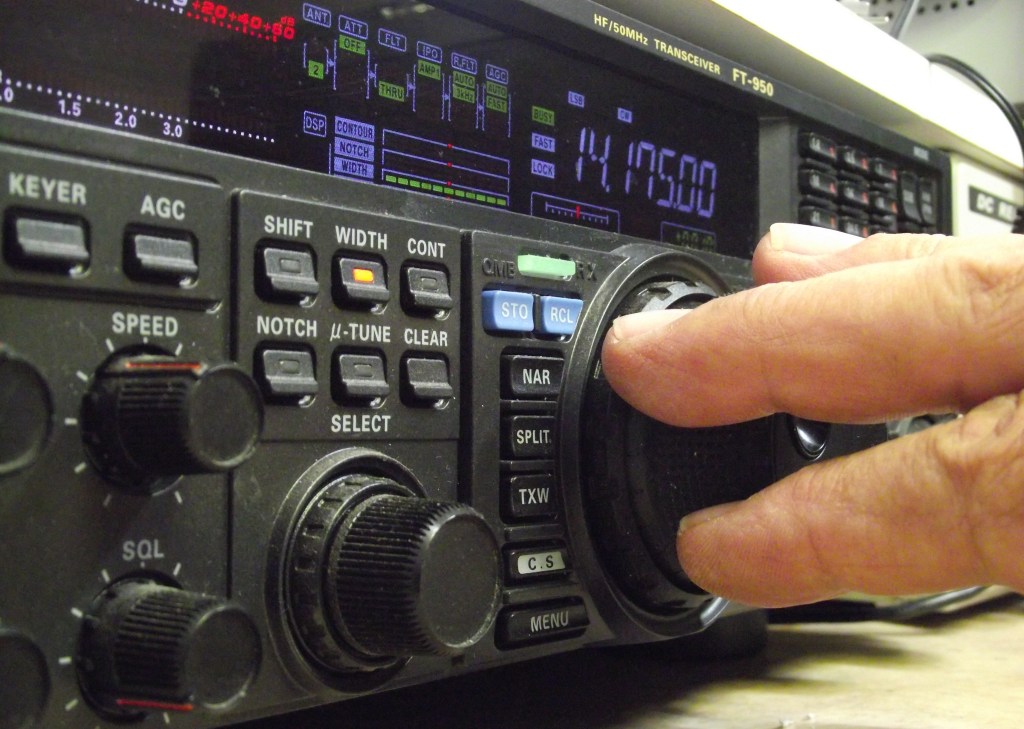
Operators need to be aware that when they are transmitting radio frequencies that power is being consumed from the power supply and that there are some energy losses in the transmitter equipment as heat. The power supply and transmitter stages need to be able to handle this energy dissipation without overheating.
SSB Duty Cycle
Not all transmission methods transmit continuously. For example, When speaking and transmitting Single Sideband (SSB) Transmitter current only flows to the antenna during voice activity. Therefore the ratio of current flowing vs not flowing (Duty Cycle) is relatively low and the heating effects upon transmitter and power supply are reduced.
AM/FM Duty Cycle
When transmitting AM or FM, RF current is flowing continuously as long as the transmit button is down. The duty cycle is 100%. Therefore operators have to be aware that they should reduce the transmitter output to a level that the transmitter and power supply are able to handle.
CW Duty Cycle
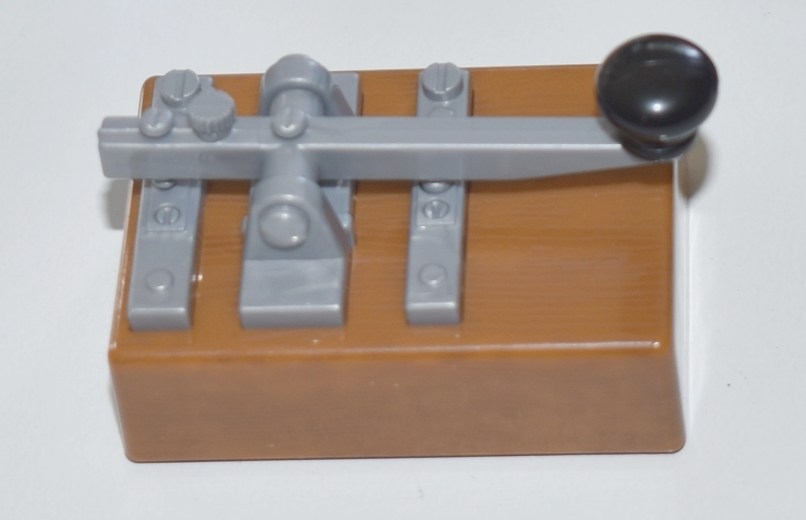
When transmitting Morse Code (CW) the transmit duty cycle is low because between the generation of Dots and Dah’s, the transmitter is inactive.
Digital Modes
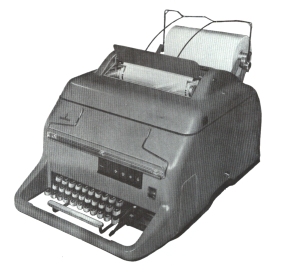
Some digital modes such as Radioteletype (RTTY) transmit a continuous High or Low tone that alternates with data transmission, which means that the duty cycle is again at 100%. Operators using modes such as RTTY are advised to reduce their transmitter output to better accommodate this continuous load upon the transmitter.
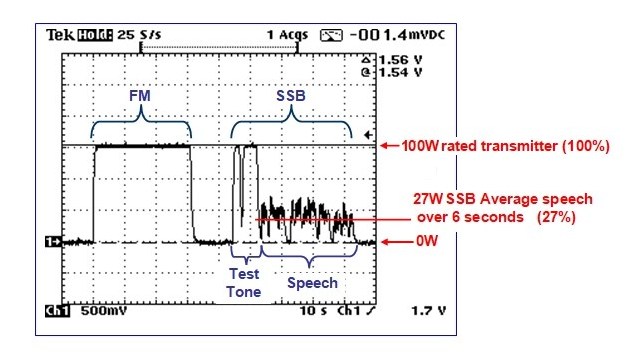
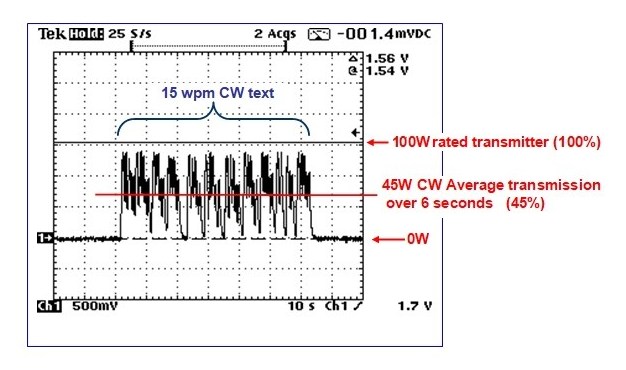
In the examples below we can see a real-time measurement of transmitter power against transmitter Duty Cycle.
In the top example a transmitter can transmit a 100 watt carrier, which is a 100% transmitter duty cycle, but when the operator reverts to SSB the average transmitted energy is much lower. The approximate duty cycle for speech here is 27%. This average will increase if microphone sensitivity is increased or speech processing options are engaged.
In the second example, a Morse Code (CW) transmission was tested and the average output of the 100W transmitter fell to an average of 45W, or a duty cycle of only 45% while the characters were actually being sent.
Effects of Duty Cycle on Human Health
These duty cycles also have an impact upon figures of human exposure to radio frequencies, which is usually measured as a total exposure over a six minute period.
It is also relevant to note that most Amateur operations involve a second party, with a gap between each person transmitting, so the total duty cycle can fall by an additional 50% for individuals.
Duty Cycle and Repeaters
Duty Cycle affects operations where FM repeaters are being used. For example, three people may be having a contact on an FM repeater, speaking roughly 1/3rd of the time each. The individual operator transmitters are running a 33% duty cycle, but the repeater itself is operating on a 100% duty cycle. The repeater transmitter and its power supply have to be appropriately robust to support this higher load.
ACMA Syllabus Extract
According to the ACMA Standard Syllabus, the required knowledge on this topic is:
5.7 Transmitter Duty Cycle
Understand the implications of the different types of modulation on the rated output power of a power amplifier (PA).
Understand the term ‘duty cycle’ in relation to transmitters.
 This Is Amateur Radio