P187
An Introduction to Morse Code
The International Morse alphabet was adopted in the 1850’s as a method if encoding text as an interrupted current pulse in a long wire. This was the Telegraph. It was a natural progression to extend its use to radio waves as an Interrupted Continuous Wave, abbreviated as ICW. Over time this has been abbreviated to simply CW. (This is probably a good thing, as ICW is now the recognised abbreviation for Insane Championship Wrestling)
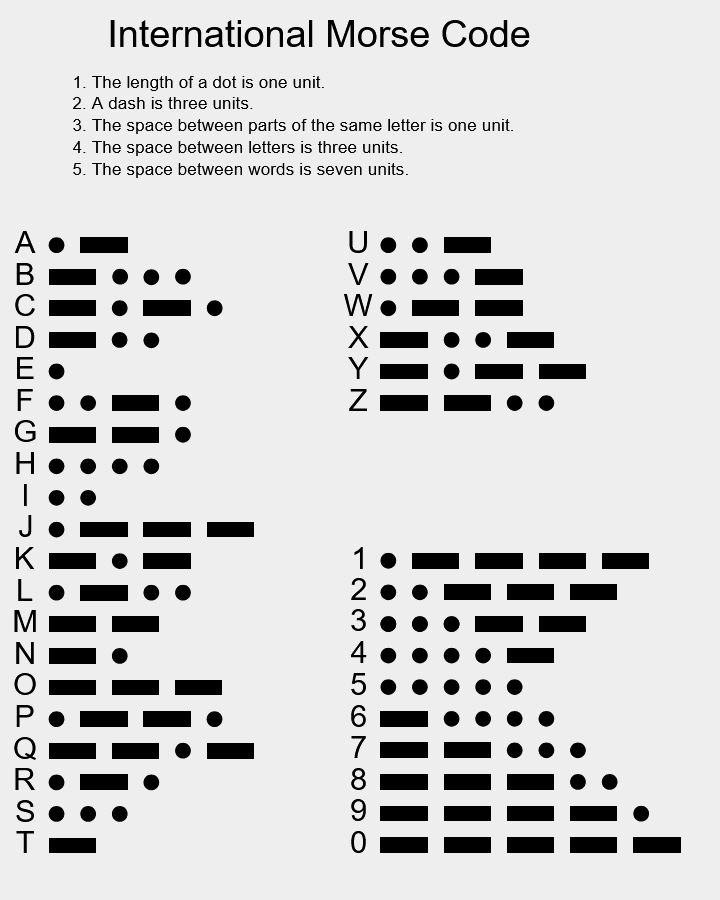
Originally Australian operators were required to learn morse to a 14 word per minute competency. In 1967 this was reduced to a 10 wpm requirement. When the Australian Novice license was introduced, operators were required to learn morse code to a 5 word-per-minute skill level. From Jan 1, 2004 Morse Code was removed as a requirement from Amateur radio exams. Today CW still enjoys a robust following around the world.
Listening to CW on an AM receiver is extremely difficult as the signal alternates between noise (no signal) and no-noise (carrier present). Single Sideband (SSB) receivers employ a feature known as a Beat Frequency Oscillator (BFO) which injects a tone into received audio whenever a carrier wave is present. CW is usually recieved on a radio set to an SSB mode.
CW operators also employ narrow bandwidth filters that only allow a specific tone to pass and this can assist in the reading of CW transmissions in a busy or noisy environment.
The 2025 Antennapalooza event East of Melbourne featured a demonstration Curtain Array antenna on the 20 metre band. This video clip recorded by Jordan VK3ACU shows the amount of CW activity still present when tuning around this band.
Learning to send and receive CW by hand and ear is akin to learning a new language. The consensus is that learning slow morse (under 10 words per minute) then slowly progressing to higher speeds is a mistake, as around the 10 wpm threshold operators have to abandon a mental look-up method and switch to sound recognition techniques.
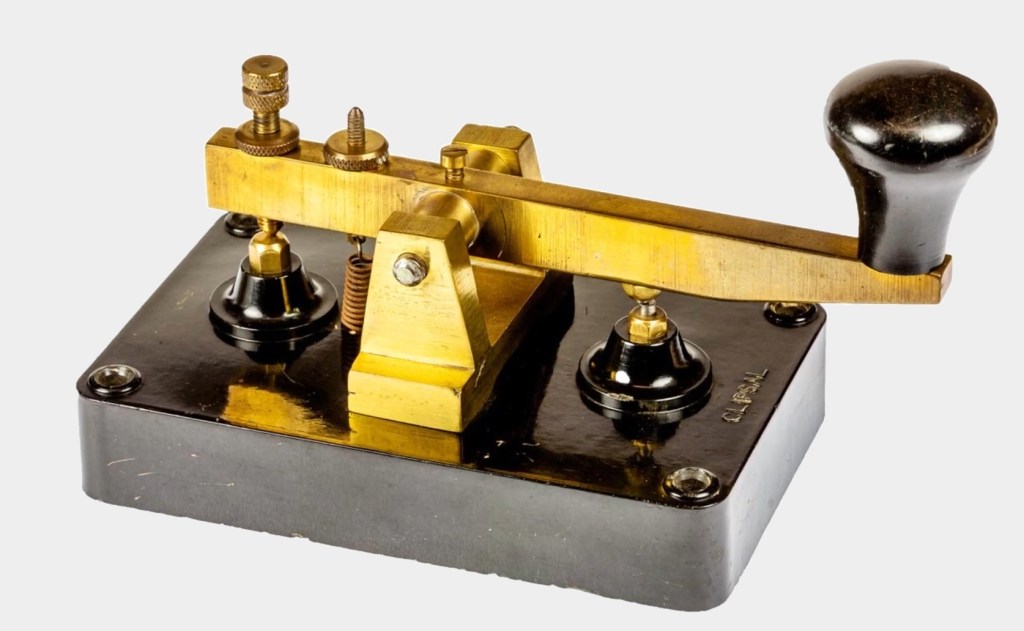
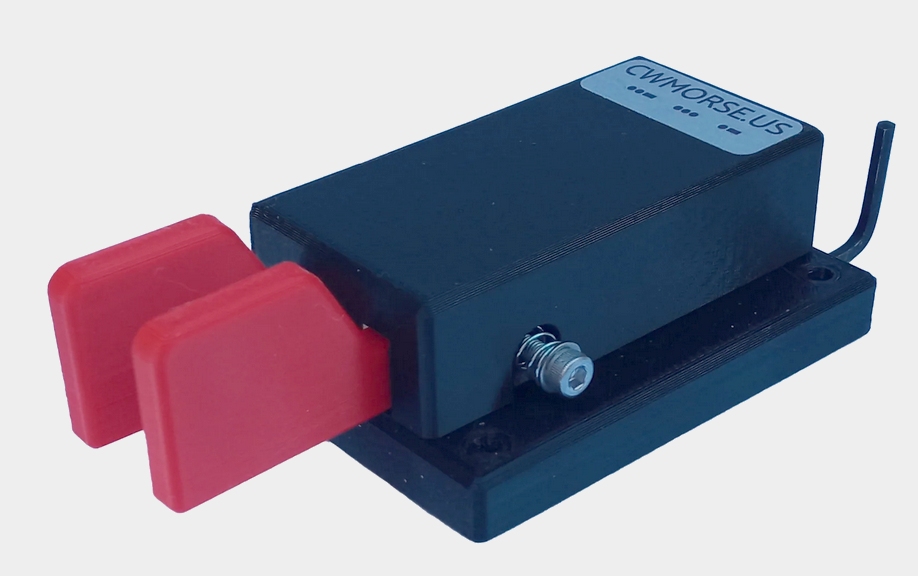
Many operators no longer use a ‘straight’ Morse key as shown at the top of this page, preferring to use a side paddle key where pressing one paddle generates a steady stream of ‘dit’s’ and the other paddle for the ‘dah’ elements. More consistent transmission quality is attainable with this method. A low-cost plastic paddle key is shown here.
Many DX stations operating from remote locations use CW exclusively for their contacts. This can create ‘CW Pileups’ with many stations at once calling the rare contact stations.
This 2.5 minute clip shows a CW Pileup while operating the DXpedition station YJ0VK in Vanuatu. It highlights the difficulty of separating just one signal in the presence of many other calling stations.
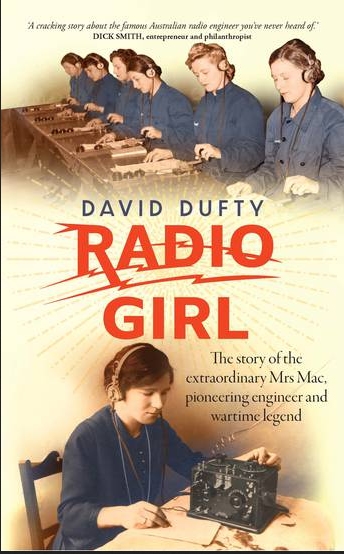
An important part of Morse Code history in Australia is told in the biography of Violet McKenzie called ‘Radio Girl’. Violet was a pioneer in the early days of Amateur radio and electrical engineering. During WW2 she was instrumental in the training of more than 20,000 operators to a 20 wpm and above proficiency. This is an excellent read.
There are literally hundreds of tutorial pages on the art of learning Morse Code. A selection of these sites are listed below
Useful Links about Morse Code
Fists Down Under tutorial on learning Morse Code: https://www.fdu.org.au/getting-on-air/
The VK5PAS Morse Code page: https://www.vk5pas.com/morse-code—cw.html
A range of paddle keys available for purchase: https://cwmorse.us/
A tutorial video on choosing the most appropriate Morse key:
https://www.youtube.com/watch?v=dXIkGv2kpyk
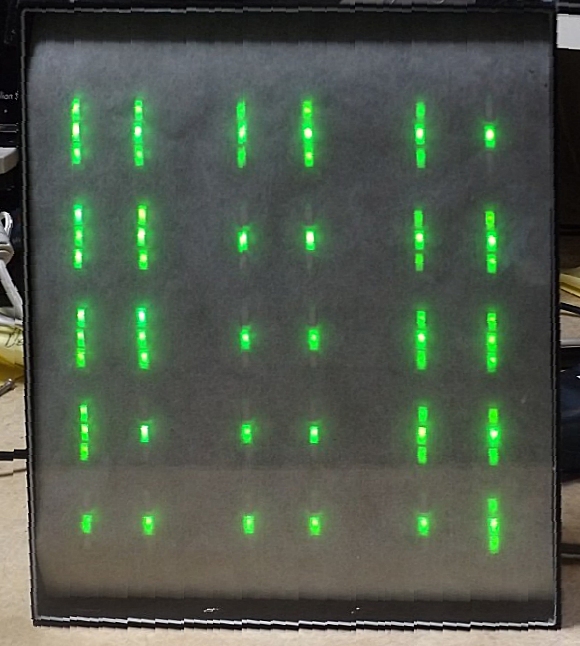
A construction video on building a Morse Code LED clock:
https://www.youtube.com/watch?v=BvNlWvE5BsE
 This Is Amateur Radio