
P216
The Best Wire for Antennas
For many years there has been speculation on what type of wire material amateurs should use when building their wire antennas. Copper? Aluminium? Stainless steel? It is a complex question and many statements have been made based upon opinion over fact.
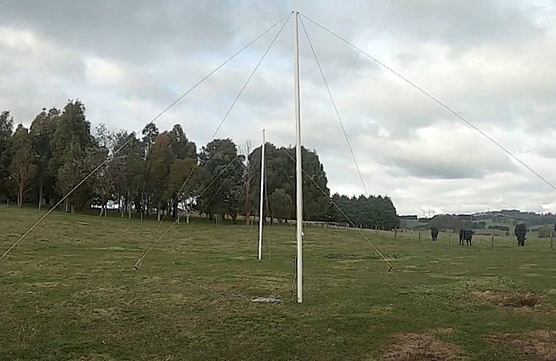
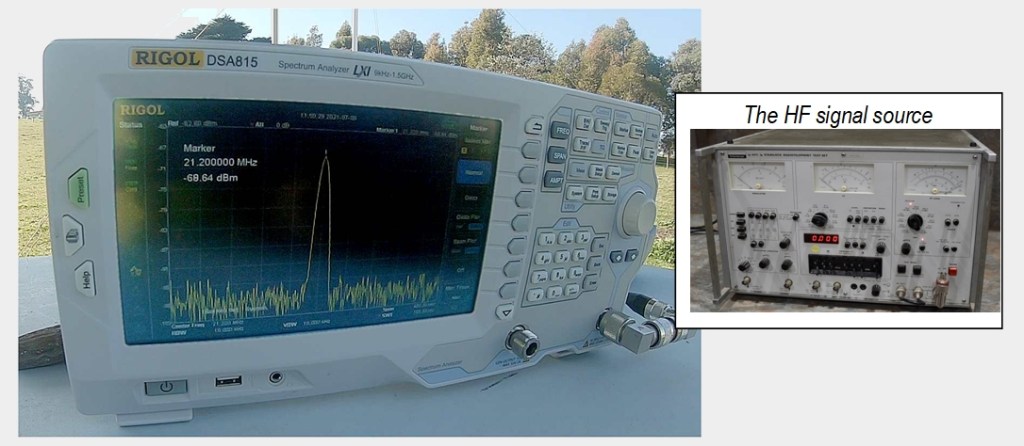
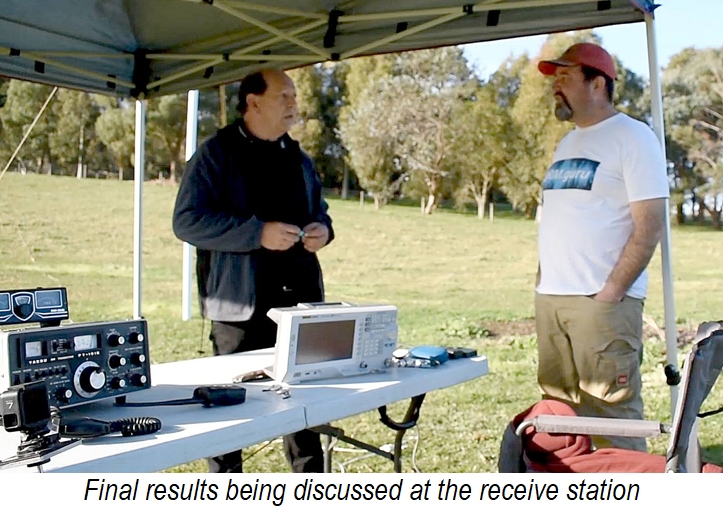
In 2021 a study was conducted by Ian Jackson VK3BUF and Chris Chapman VK3QB to try and answer these questions. The controlled tests were carried out on the 15 metre band where ten different antennas were prepared and suspended in the air while a signal generator injected a stable signal. A receive station was established a few hundred metres away where the signal was measured on a similar antenna using a spectrum analyser.
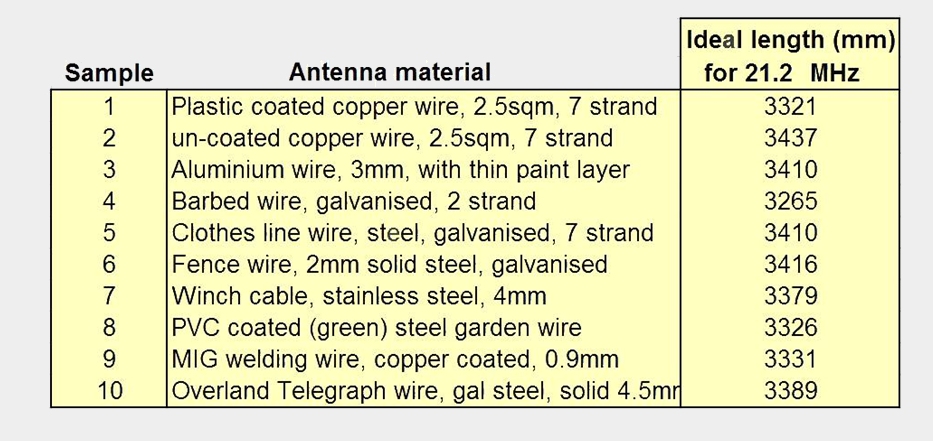
The antennas under test were all tuned for resonance on 21.2 MHz. The exact length for each antenna varied slightly due to metal and insulation materials.
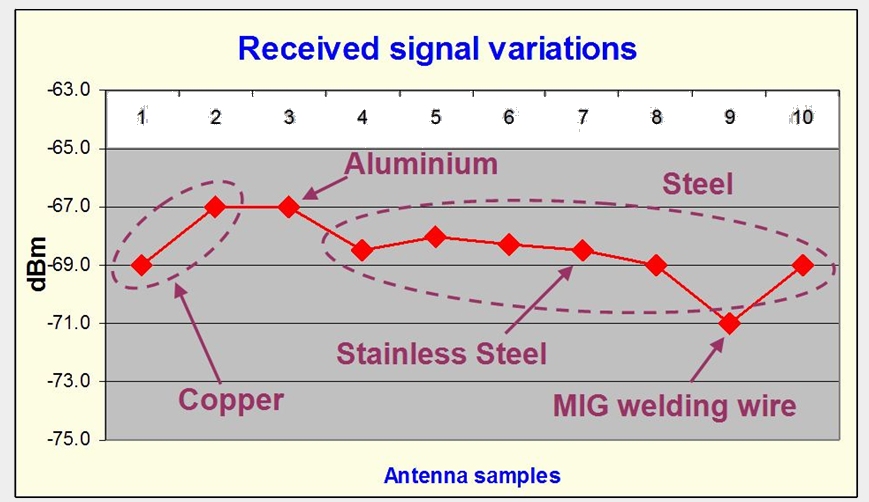
The conclusions were interesting. It found that with the exception of MIG welding wire, the different dipoles only resulted in a 2 dB variation from best to worst. Of greater importance was the mechanical strength provided by some materials over others. For example the stainless steel antenna wire may be 1.5 dB down from the best result, but due to its intrinsic toughness, this wire was far more likely to survive harsh conditions, particularly in coastal areas. This made it the most probable choice of material for most antenna construction.
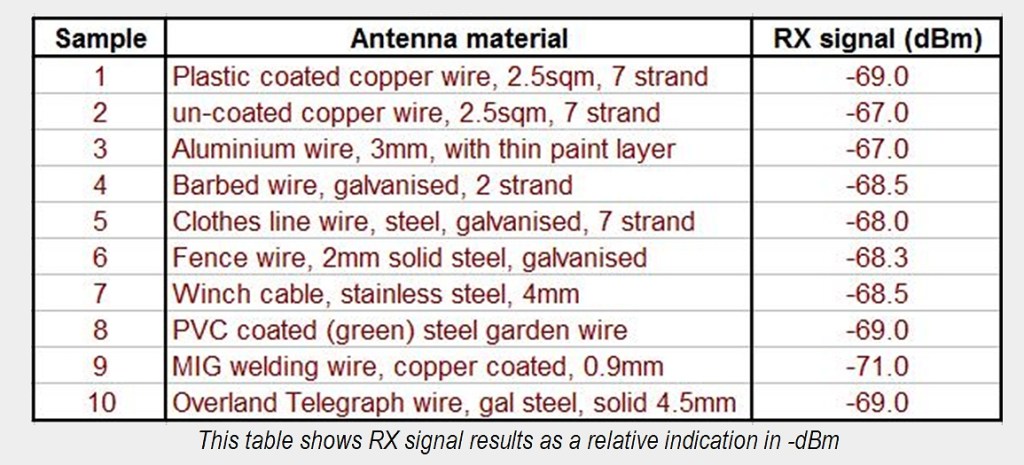
The article stated that while the results were carefully compiled, that other experimenters may have a different experience or may wish to expand upon the findings through further experiments on different parts of the radio spectrum.
For more reading:
The study was printed as a feature article in the E-magazine QTC in September 2021
You can read the full text here: https://qtcmag.com/books/mqfa/#p=45
The article has since been reprinted in many national magazines in at least three different languages around the world.
A You Tube video of the experimental process is also available for viewing:
 This Is Amateur Radio