P221
Amateur Radio Remote Stations
Many believed that the introduction of the internet would undermine Amateur Radio. Just like IRLP, WSPR and Echolink, Remote Station Operation is another example of how the internet has enhanced the hobby.
Amateurs who travel widely or live in rented apartments, understand the limitations of putting up HF antennas in high density living, or the difficulty of carting communications gear through customs in foreign lands.
There are two basic models of Remote Station. There is the private operator who has a well established station at home and simply wants to operate their own station when they are away from home. The other model is where a group of Amateurs pool their resources and construct a high quality station in a prime location that would be superior to what the individual could achieve, then allow shared remote operation of that station on some kind of roster or time slot. Many Amateur Radio clubs have established these facilities for their members. Some arrangements are by private subscription where operators pay for access on an hourly or monthly basis.
The images below are from the Remote Ham Radio website:
https://www.remotehamradio.com/the-stations/

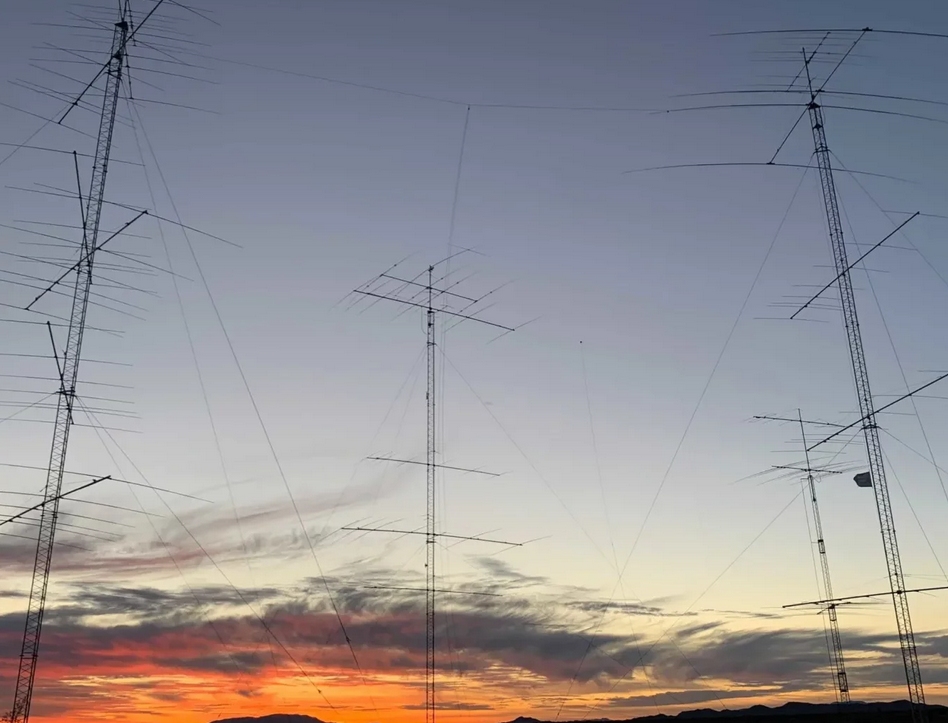
Remote stations can be quite sophisticated, with large towers, high gain antennas, high power transmitters and remote beam heading controls. In a modern world where many people live in high RF noise environments, some remote stations are deliberately located at isolated sites, ensuring low noise levels on received signals.
Standard operator conventions apply, meaning that persons accessing a remote station are still limited to the same frequencies and power levels that are attributed to their license qualification.
Operator interfaces on PC’s tablets and even mobile phones can be very comprehensive, complete with waterfall displays, filters and RF gain controls, as though they were seated in front of the actual radio.

There are some excellent high-end products available that mimic radio controls in great detail and can give remote operators the same experience as though they were physically sitting in front of their shack rig. One such example is the FLEX-6000 shown below.

Some useful links and examples:
In Western Australia
the Southern Electronics Group offers Remote Station access to its members in both Perth
and Canarvon. https://www.hamradio.org.au/services/remotehams/
The Frankston and Mornington Peninsula Amateur Radio Club (FAMPARC) have remote station access from their clubrooms.
 This Is Amateur Radio