
P31
Basic Operating Procedures
Basic Operating Procedures for Amateur Stations
Operating Procedures are a sub-set of Amateur Radio regulations. It details how an operator goes about using their radio to engage with other stations in ways that adhere both to rules and conventions.
Operating Procedures includes protocols for repeater operation, providing signal reports and the friendly sharing of spectrum space.
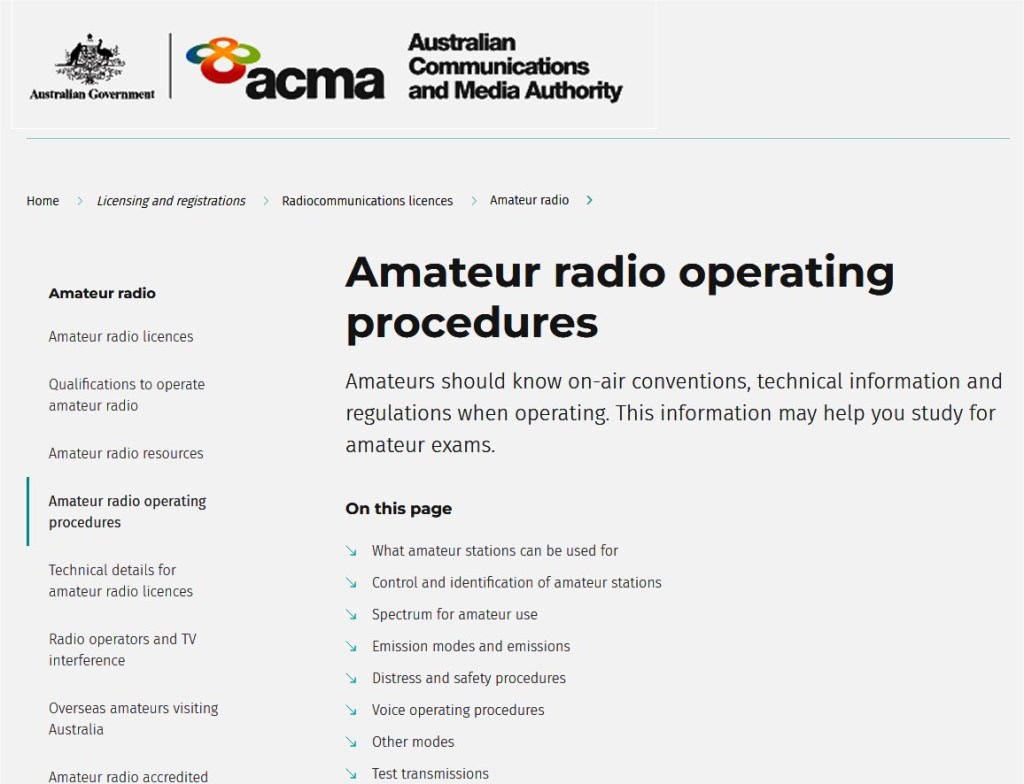
There are several sources of this information. the ACMA also has a reader-friendly version on their website which may be viewed here:
https://www.acma.gov.au/amateur-radio-operating-procedures
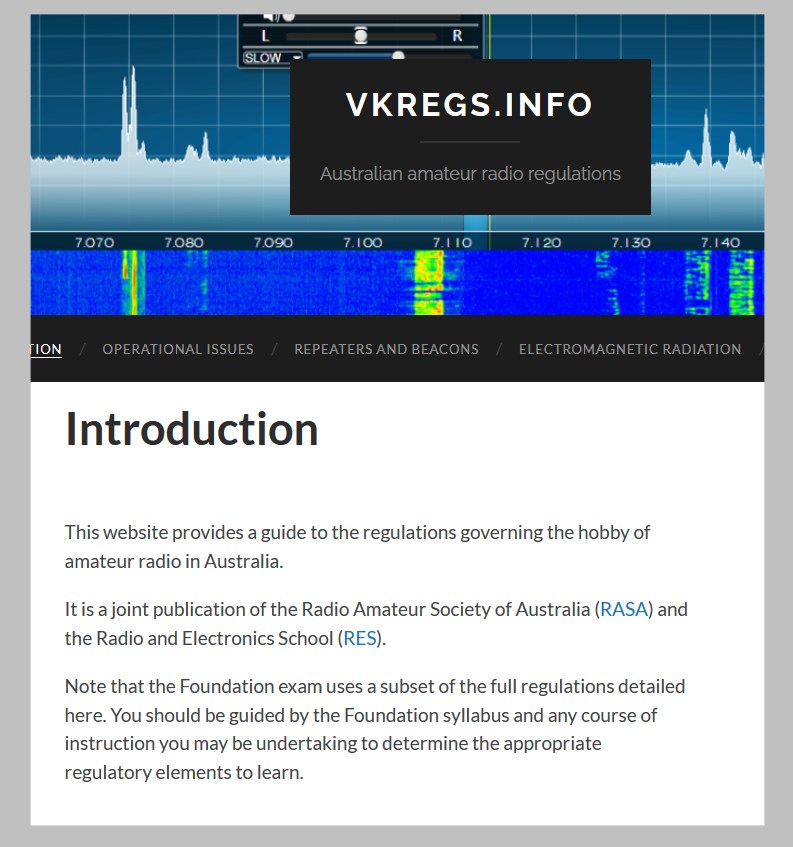
RASA has produced a resource called VKREGS.INFO which also provides details for the operator.
VKREGS.INFO may be found here:
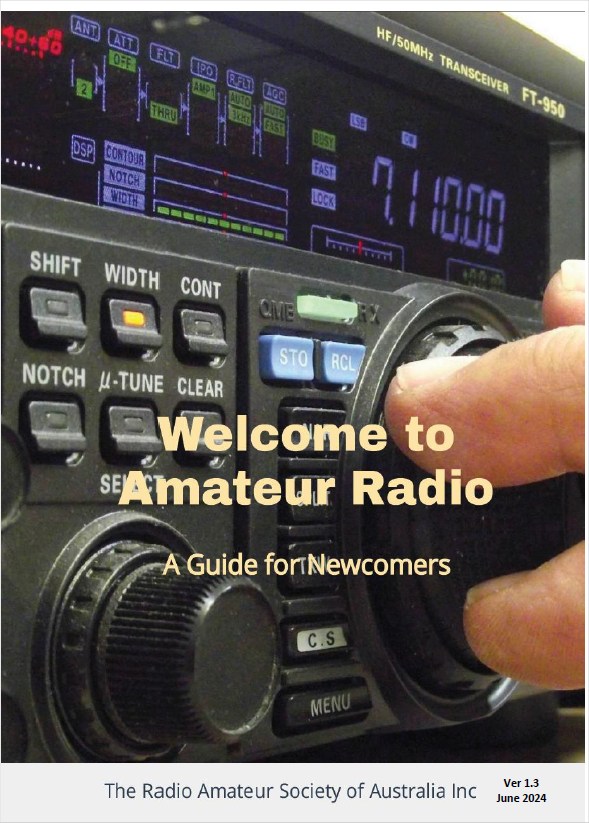
Another resource produced by RASA is the Welcome to Amateur Radio book, which is aimed at new operators setting up their first station. It can be downloaded here:
https://vkradioamateurs.org/welcome-to-amateur-radio-guidebook/
The Foundation Level Study Guide also has a chapter dedicated to station operation and procedures.
The Foundation Level Study Guide
All Blue Tiles form part of the syllabus for the Foundation Level Recognition Certificate (operator licence). A primary source of information for many of the blue tile topics can be found within the Foundation Level Study Guide. This is a free download available at:
https://vkradioamateurs.org/flsg/ This is a digital book and contains many links to other resources and explanatory videos.
Information about Operating Procedures relevant to Foundation Level Qualifications can be found in this book from Chapter 8, on Page 61 to Page 69
ACMA Syllabus Extract
According to the ACMA Foundation Syllabus, the required knowledge on this topic is:
2.13 Use of amateur stations
Recall that an amateur station cannot be used for financial gain.
2.14 Who may operate a Station
Recall that only people with suitable qualifications may operate a station
2.15 Use of a station by non-qualified persons
Recall that a person without amateur qualifications may communicate via an amateur station, provided the station is always under the full control of a qualified person.
2.16 The ACMA may obtain information or documents
Recall that the ACMA has the power to request information from an amateur, including evidence of their qualification.
2.17 Restriction of operation to avoid interference
Recall that the ACMA has the right to restrict the operation of an amateur station to avoid harmful interference
2.18 Use of the Amateur Class Licence and Amateur Class LCD
Identify the specific amateur conditions in the Amateur Class Licence/Amateur LCD for operating an amateur station on foundation frequencies.
2.19 Station security
Recall that an operable amateur station must not be accessible to unauthorised people.
7.12 Diplomacy and EMC
Recall that EMC problems have the potential for causing neighbourhood disputes. Understand the need for diplomacy, the sources of advice available and the role of the ACMA.
 This Is Amateur Radio