
P32
Basic Battery Safety
Batteries can be dangerous
Batteries are a safe way of powering equipment when you need to be portable. Just follow some simple rules.
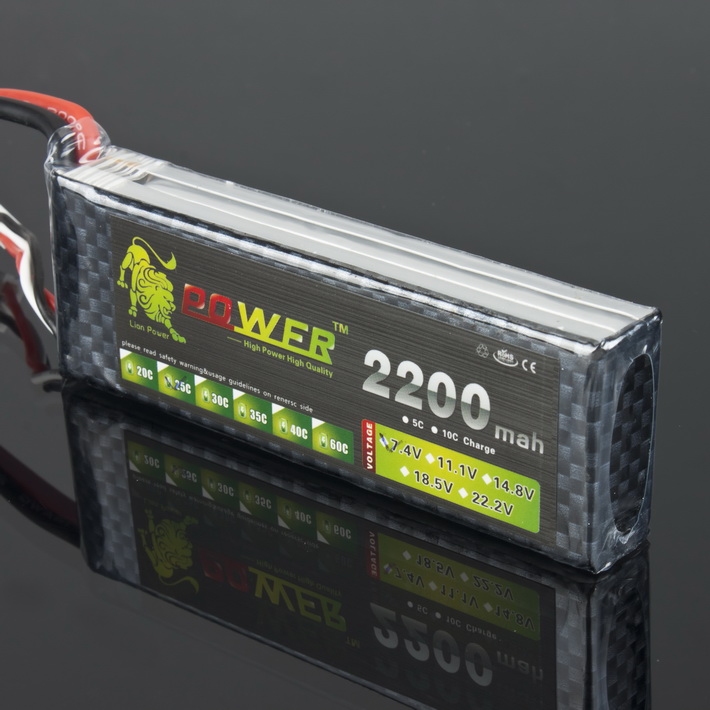
When misused, batteries can explode, catch fire, cause burns, and emit toxic chemicals, gasses, and smoke.
Dos and don’ts with batteries
- Do not short circuit or dismantle any battery as this may result in a fire or explosion. Do not throw spent batteries in a fire as they are likely to explode.
- Use appropriate batteries to perform the required task. Note the voltage and amp-hour discharge rate. Manufacturer’s data sheets are a good reference.
- Do remove replaceable batteries, spent or otherwise, in equipment when not in use for extended periods, to prevent corrosion or leakage.
- Do follow the manufacturer or your council’s process for disposal of used, depleted or unwanted batteries. Putting batteries into general waste has caused fires at waste disposal centres and releases toxic chemicals into the environment
- Ensure that your electrical connections and cable size to batteries are secure and appropriate. Under-rated cabling or poor connections may cause a fire.
- When working around batteries capable of delivering high current make sure that jewellery and tools are kept clear of powered circuits as these may inadvertently cause a short circuit resulting in serious burns.
- Lead Acid batteries contain Sulphuric Acid. Non-sealed batteries may leak if inverted or turned on their side. Sulphuric acid is dangerous on eyes exposed skin.
- Batteries that are over-charged can emit hydrogen gas, which may be explosive.
Sometimes problems occur trying to re-charge very flat batteries, however when cells are permanently damaged, attempted charging can heat them to the point of explosion.
Here is a sealed lead-acid battery with two defective cells, attached to a battery charger.
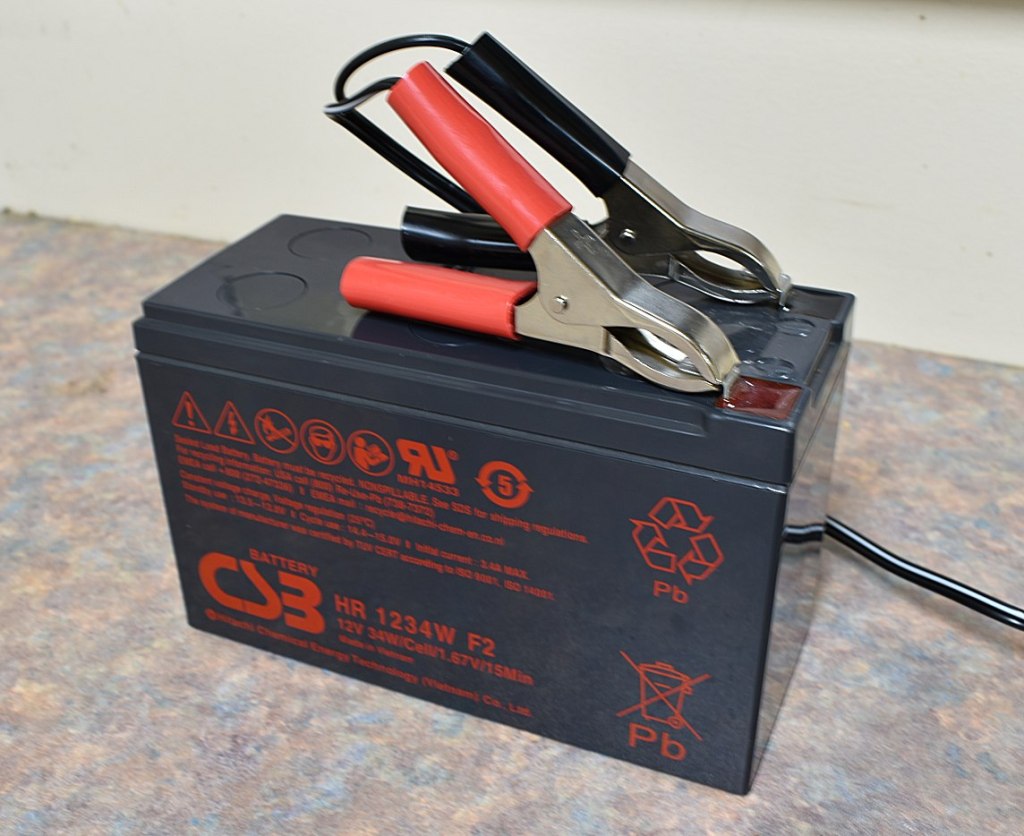
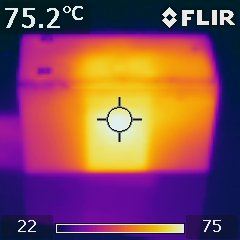
After an hour the defective cells heated to over 75º and the battery was close to exploding.
The Foundation Level Study Guide has a section on battery safety.
The Foundation Level Study Guide
All Blue Tiles form part of the syllabus for the Foundation Level Recognition Certificate (operator licence). A primary source of information for many of the blue tile topics can be found within the Foundation Level Study Guide. This is a free download available at:
https://vkradioamateurs.org/flsg/ This is a digital book and contains many links to other resources and explanatory videos.
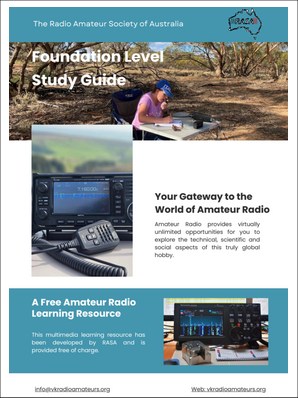
Information on Battery Safety can be found from Chapter 8, on Page 77 .
ACMA Syllabus Extract
According to the ACMA Foundation Syllabus, the required knowledge on this topic is:
9.14 Battery safety
Recall that batteries contain chemicals and emit fumes and may explode if punctured or exposed to flames or sparks.
 This Is Amateur Radio