
P53
Choosing the Right Antenna
Choosing the right antenna
Although the exam process requires familiarisation with basic antenna types, it does not provide insight into what would be the optimal choice for individuals. The ideal antenna will always be influenced by available space, local permits, objectives of the operator and available funding.
Omnidirectional versus Unidirectional
These are primary antenna characteristics. The operator must decide whether to settle for the basic performance of an omnidirectional antenna, with the ability to send and receive in all directions, or opt for higher gain directional antennas that must be aimed at the target location to work.
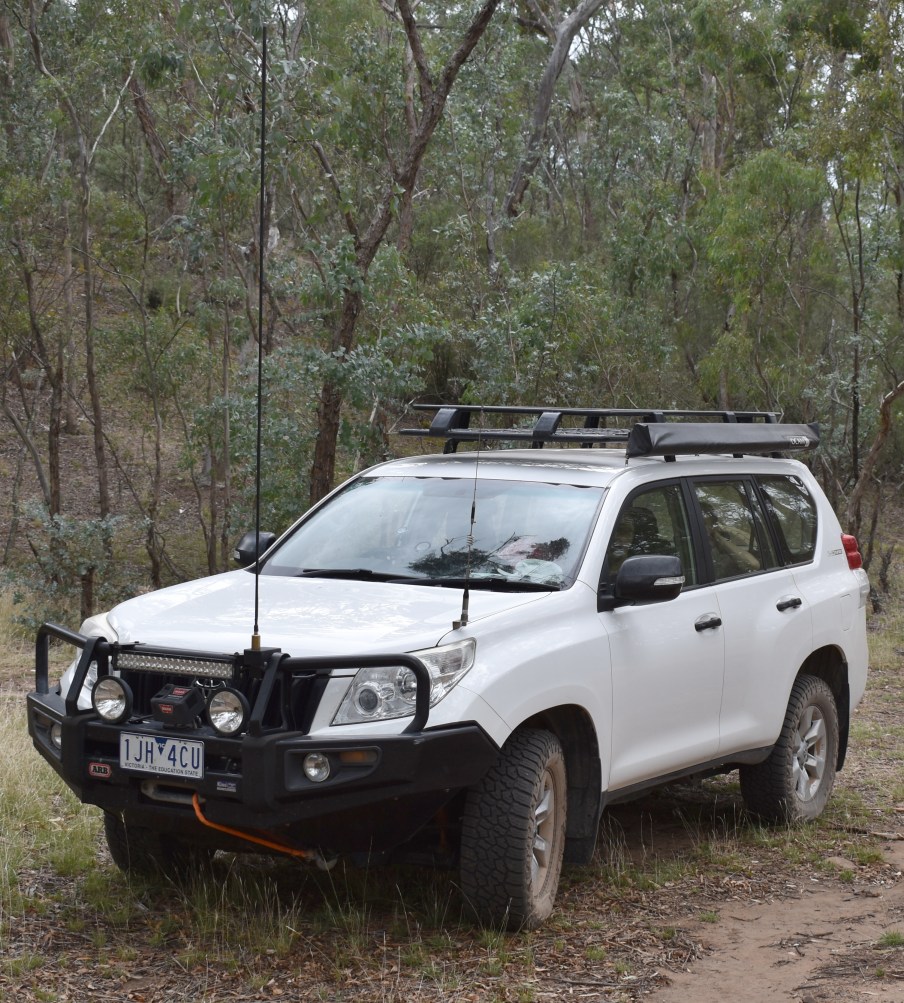
Mobile stations usually select omnidirectional antennas in order to maintain radio contact regardless of direction of travel, although the actual radiation pattern will vary depending upon where on the vehicle the vertical antenna is mounted.
HF Selection
Vertical HF antennas on HF at the home usually have a smaller footprint than most other options and can still perform reasonably well if attention is paid to proper radial grounding. It is hard to beat a good beam antenna at height for 20m 15m and 10M, but it requires a tower and motorised rotator.
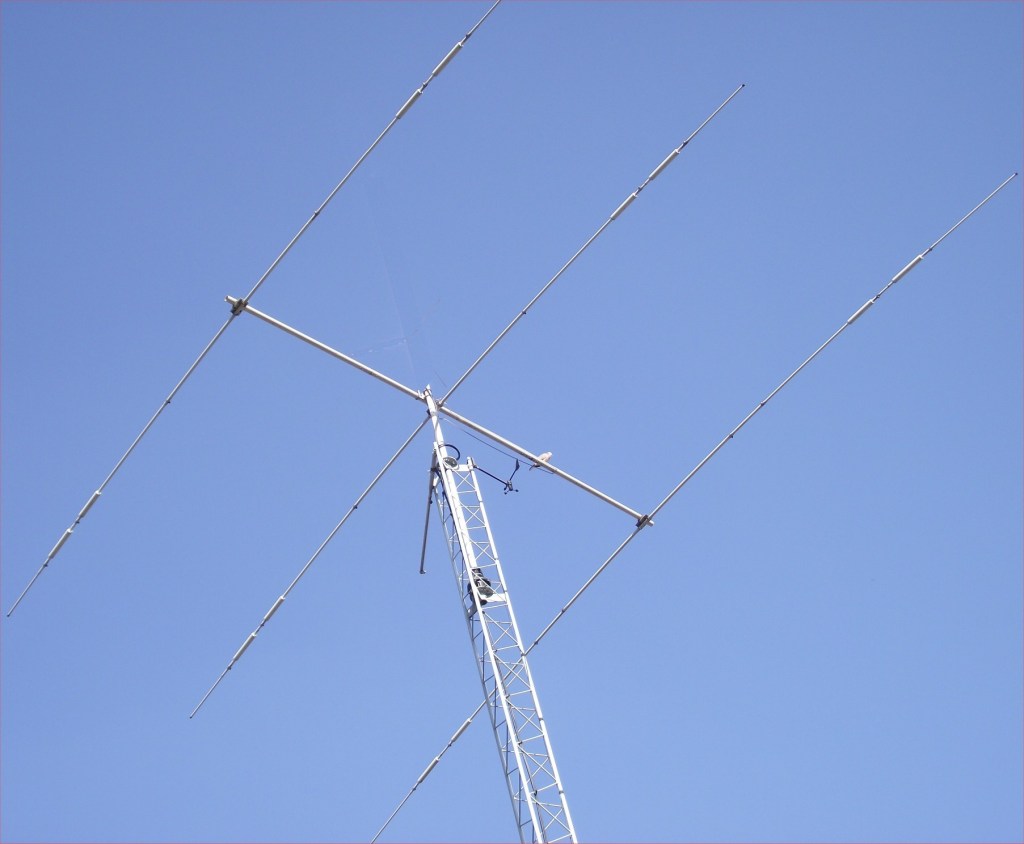
For 80M and 40M a simple dipole will perform well, even if the ends are bent somewhat to fit in a small house block.
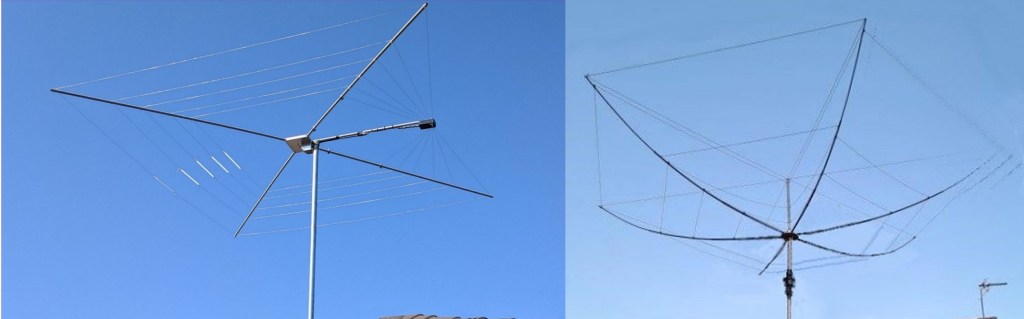
There are compact inconspicuous options available, like this multi-band Cobweb antenna and the Hex Beam antenna for HF, but again performance is traded by the smaller size.
VHF and above
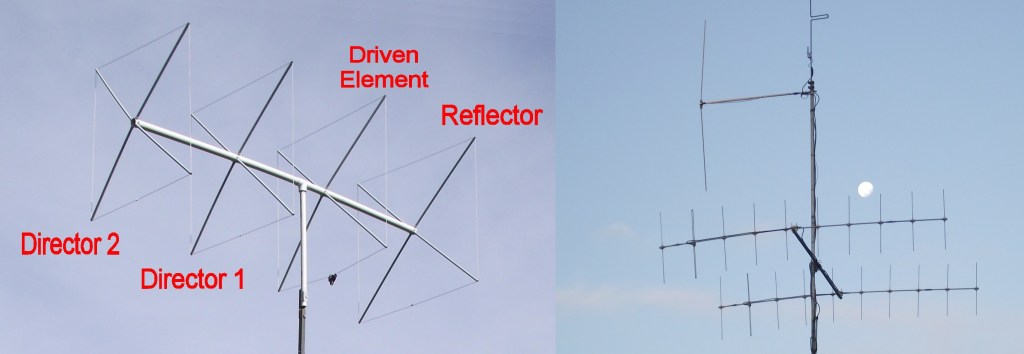
Antennas on 6 metres, 2 metres and 70cm are smaller and easier to get up in the air . Most stations just run vertical antennas, but this will only serve a fixed radius. If you want to link with a particular station or repeater some distance away, a compact Yagi or Quad antenna pointing in the right direction, like the 6 Meter band quad here, 3 metres long and the twin 2 Metre beams phased together, can greatly enhance range.
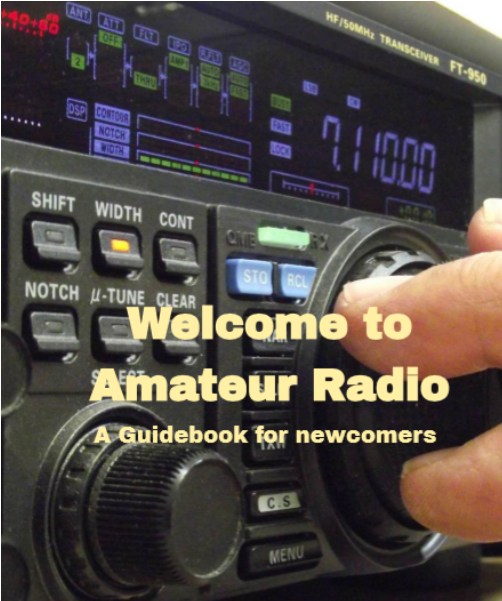
Welcome to Amateur Radio Guide
An excellent article about antenna selection can be found here in the Welcome to Amateur Radio book, Page 16.
This is a free downloadable book via the RASA website at: https://vkradioamateurs.org/welcome-to-amateur-radio-guidebook/
Or go directly to the page in the flip magazine at:
ACMA Syllabus Extract
According to the ACMA Foundation Syllabus, the required knowledge on this topic is:
5.6 Identification of Common Antennas
Identify, from supplied diagrams, a half-wave dipole, folded dipole, 1/4 wave vertical ground plane, Yagi, and end-fed half-wave antenna.
5.7 Choice of Antenna
Recall that the on-air performance of an amateur station can be improved significantly by the correct choice of antenna.
Identify, using supplied reference material, the symbol for an antenna.
5.8 Antenna Directional Characteristics
Recall the meaning of the terms: polarization, omni-directional, bi-directional, unidirectional and gain as they apply to antennas.
5.9 Polarisation
Recall that the polarisation and directivity of an antenna is determined by its physical construction and orientation.
 This Is Amateur Radio