P56
CTCSS Repeater Tones
CTSS Tone Access on Repeaters
Foundation Licence candidates are required to demonstrate the correct use of voice repeaters. Part of that is the need for a basic knowledge in audio tones that are used to access and control. This includes the use of Continuous Tone Coded Squelch System (CTCSS) systems.
This is an abbreviation for Continuous Tone Coded Squelch System. It is a low level audio tone that must be present whenever you transmit into some FM Amateur repeaters.
The tones vary between repeaters, so the correct tone is usually stored against a repeater frequency in the memory of a radio. Approximately half of the repeaters in Australia with CTCSS use the 9.15 Hz tone.

The correct tone for a repeater can often be found by doing an internet search of the repeater callsign. The user guide for each FM radio will describe how to set this feature up for repeaters near you.
This video clip describes how these CTCSS tones are used:
The Foundation Level Study Guide
All Blue Tiles form part of the syllabus for the Foundation Level Recognition Certificate (operator licence). A primary source of information for many of the blue tile topics can be found within the Foundation Level Study Guide. This is a free download available at:
https://vkradioamateurs.org/flsg/ This is a digital book and contains many links to other resources and explanatory videos.
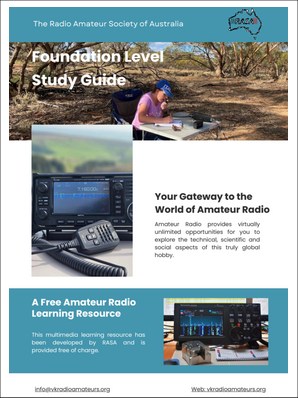
Information on using CTCSS and DTMF can be found from Chapter 3, Page 67 in this book
ACMA Syllabus Extract
According to the ACMA Foundation Syllabus, the required knowledge on this topic is:
8.5 Operating through a Repeater
Recall and demonstrate, using supplied reference material, the correct use of voice repeaters, including the use of continuous tone-coded squelch system (CTCSS) and dual tone multiple frequency (DTMF) access control systems.
 This Is Amateur Radio