The Australian Amateur Band Plan – Overview


What is the Australian Band Plan?
Amateur radio operators in Australia are part of an international collaboration. The radio spectrum is a vast resource and Amateurs are privileged to have access to around 26 different band segments from longwave through to microwave frequencies. This provides tremendous opportunities to connect like-minded people both locally and around the world and to experiment with and enhance communications technology in all of its forms.
The various segments of spectrum Amateur operators can access are defined in the legislation of each country. In Australia, this managed by the Australian Communications & Media Authority (ACMA) in a document called the Licence Conditions Determination (LCD). These are the boundaries within which we must operate.
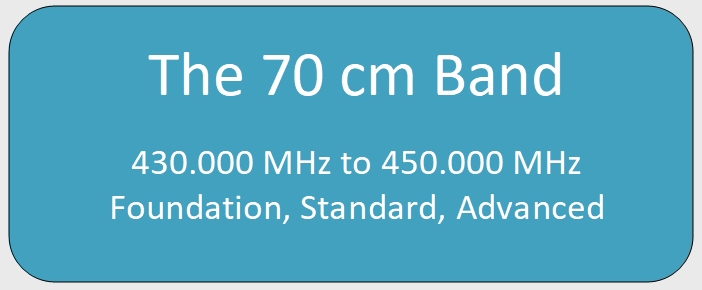
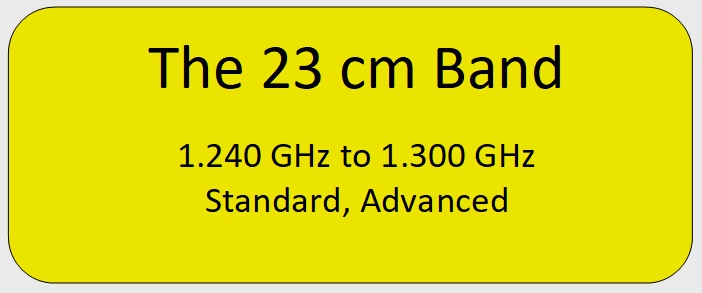
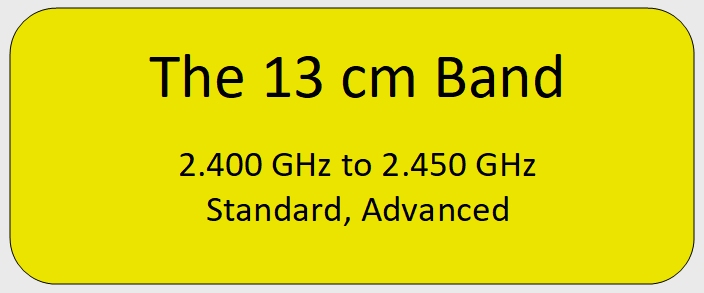
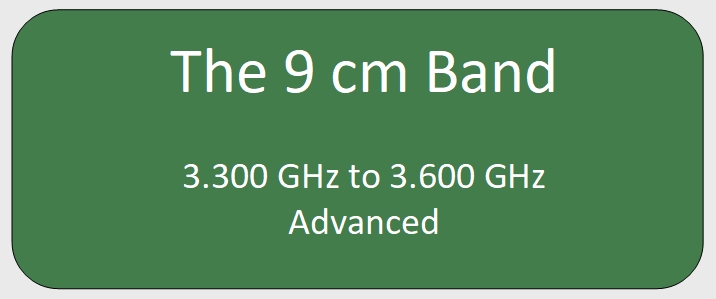
Foundation level operators can access six of these bands. Standard level operators can access 11 bands and Advanced operators may use all bands.
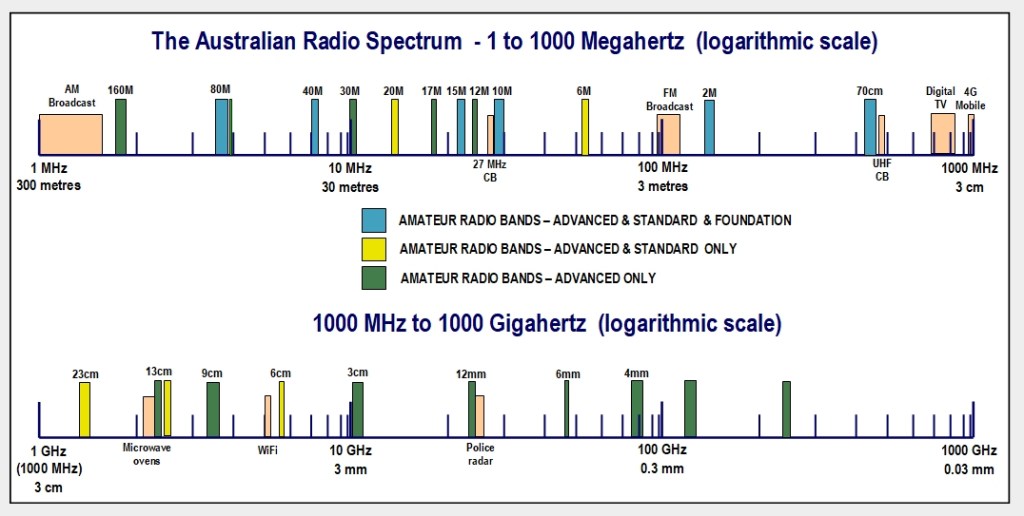
Apart from permissible power levels, most of what goes on within the band edges is not mandated by law in Australia and many other countries, but rather, by convention. These friendly agreements establish how segments of each band are allocated: i.e. SSB, AM, CW, various digital modes, beacons, and repeaters. Some countries also specify segments for emergency communications. Adherence to these conventions are voluntary but provide for efficient and smooth interaction between various interest groups and transmission modes.
The Australian Band Plan maps these conventions. As of December 2025 it represents recommended spectrum usage as agreed upon by all sector stakeholders. It does not represent the work of any one group and is copyright free. It is a dynamic plan that can be adjusted from time-to-time, but that can only happen through an open and transparent change process that includes all stakeholders. This plan represents the primary, agreed upon, usage template for Amateur Operator activity in Australia. It is mostly aligned with international conventions, but there may be local variations between countries and regions.
Emission modes, Power levels and other abbreviations
ACMA spectrum notes use many abbreviations to convey transmission modes such as J3E and C3F. The meanings of such abbreviations are not usually provided in their notes, but are referenced to a World Radio Conference (WRC) Appendix document. Click HERE to view an extract of this document.
Primary and Secondary Services
The Australian Communications and Media Authority (ACMA) uses the terms primary service and secondary service when referencing Amateur radio usage on a given band. This is important to understand, as it establishes priority of operation.
- Primary Service: A primary service has the right to claim protection from harmful interference caused by a secondary service. However, it must not cause harmful interference to another primary service operating in accordance with the technical requirements of its licence.
- Secondary Service: A secondary service cannot claim protection from harmful interference caused by a primary service. Crucially, a secondary service must not cause harmful interference to any primary service. A secondary service may, however, claim protection from harmful interference from another secondary service.
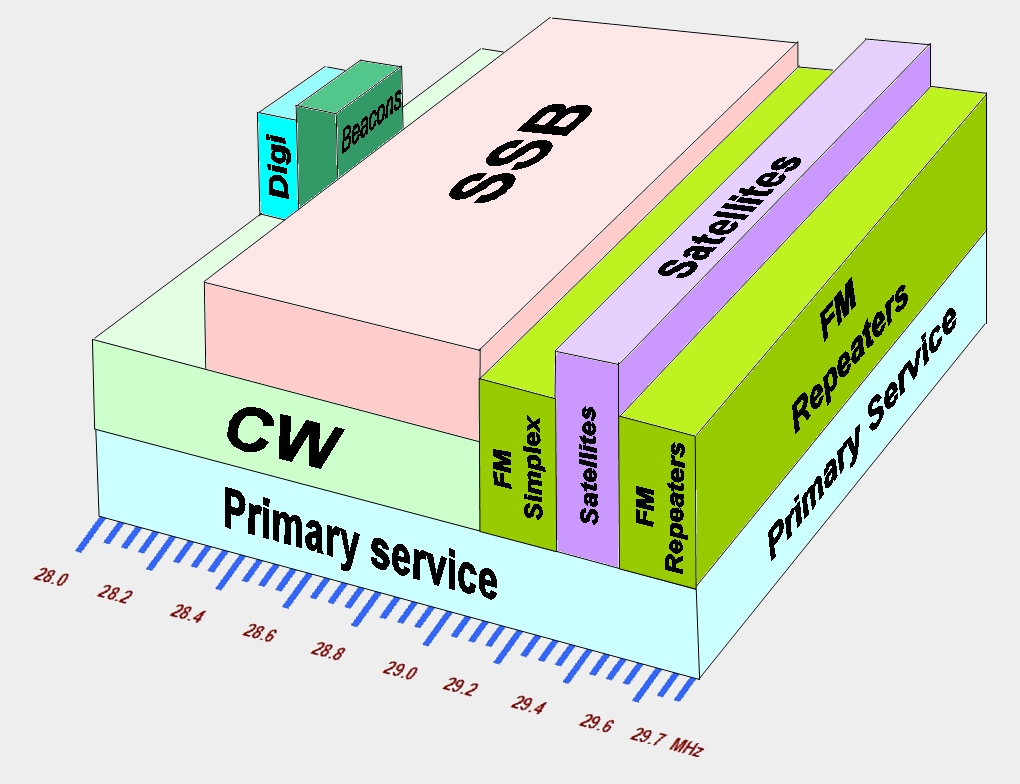
Browse the Australian Band Plan
Each Amateur band is represented below.
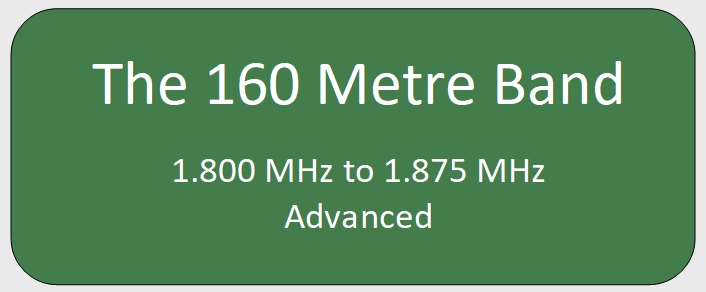
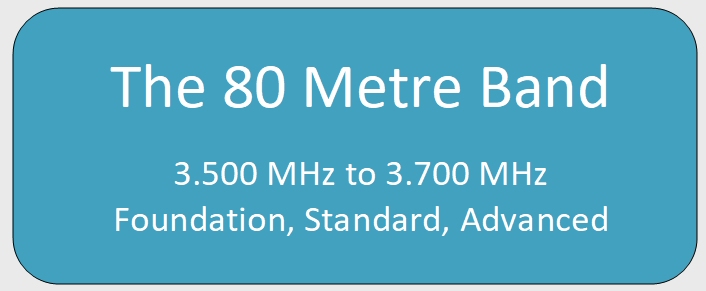
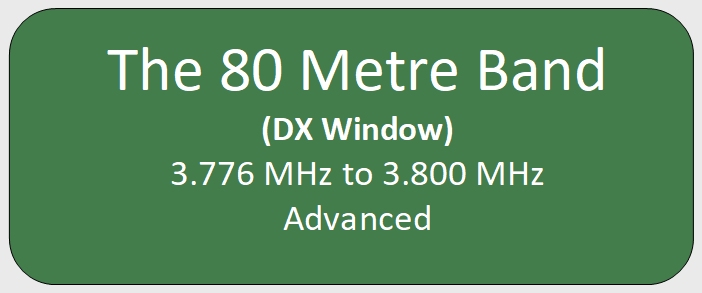
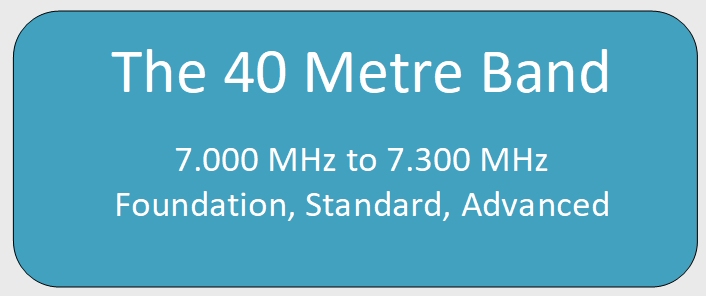
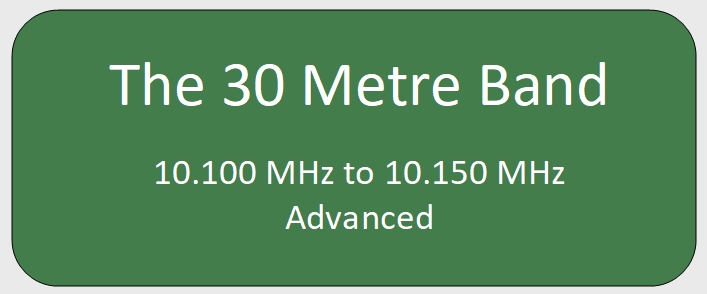
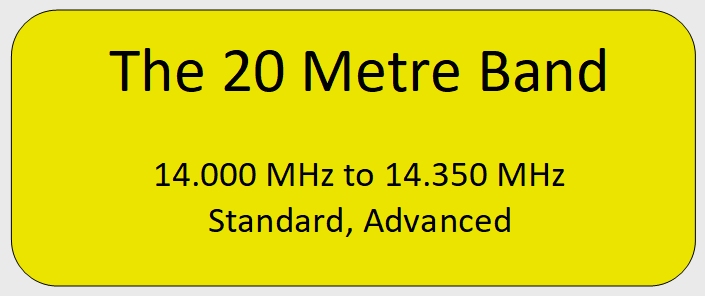
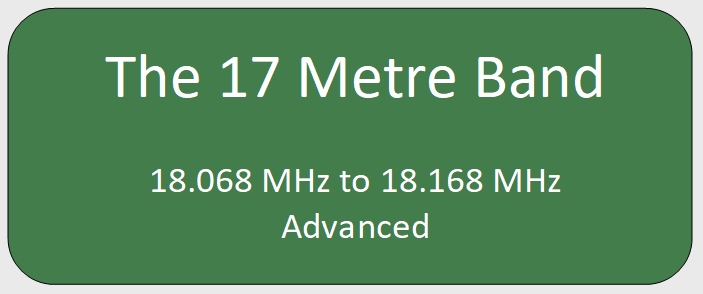
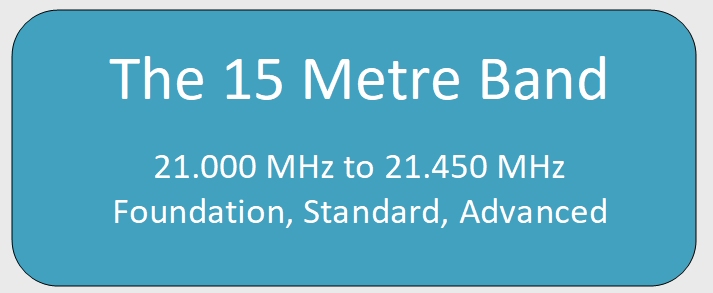
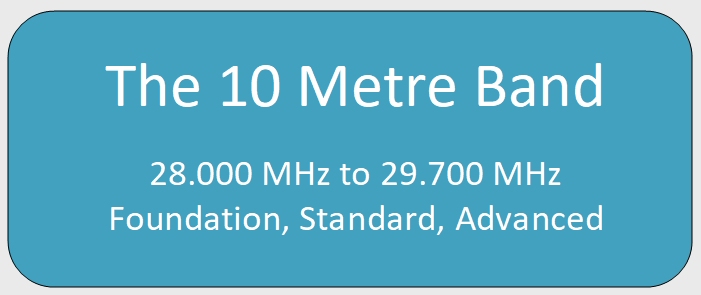
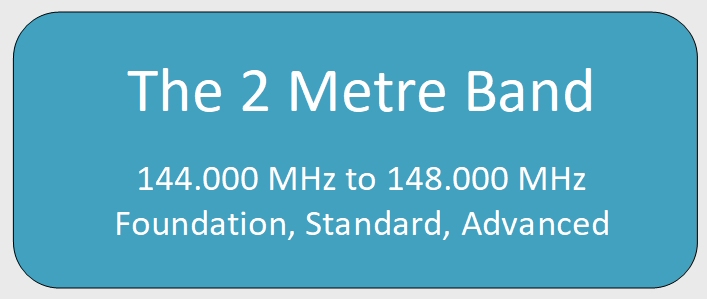
- Bands accessible by Foundation operators are shown in Blue
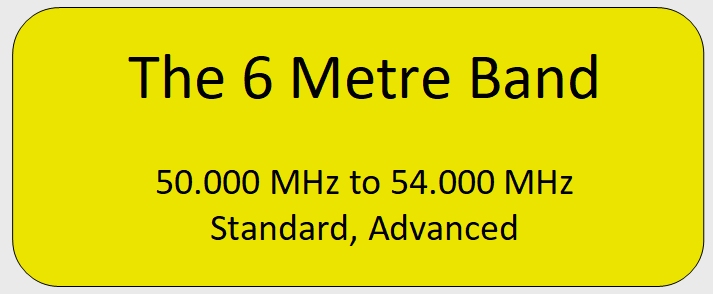
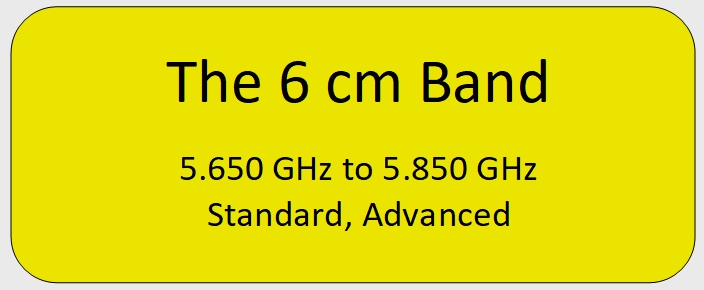
- Additional bands accessible by Standard operators are shown in Yellow
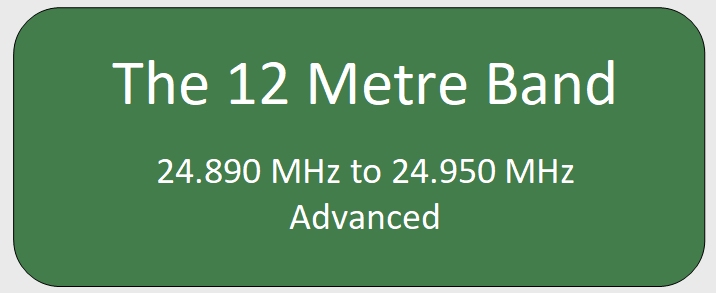
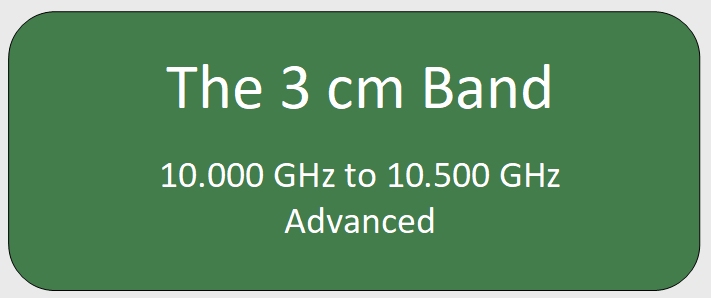
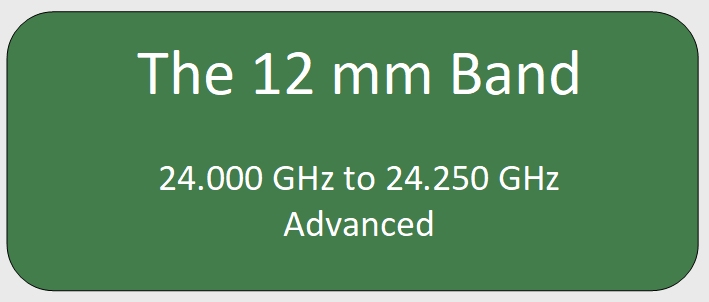
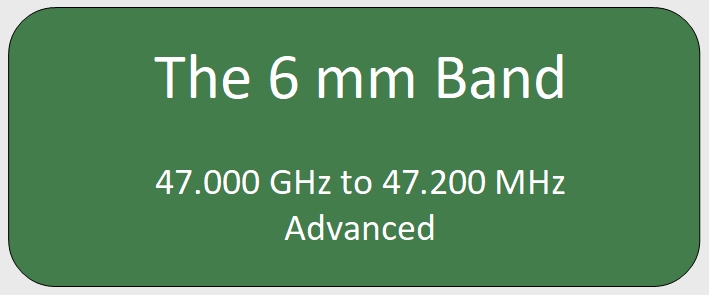
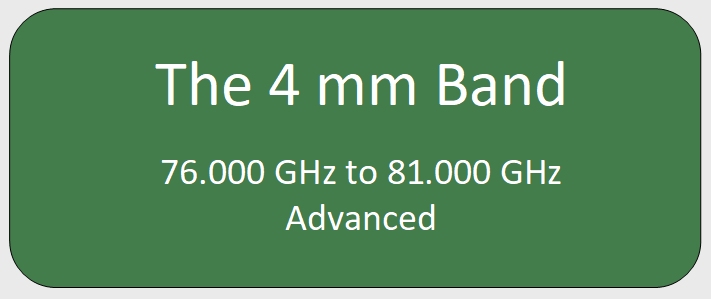
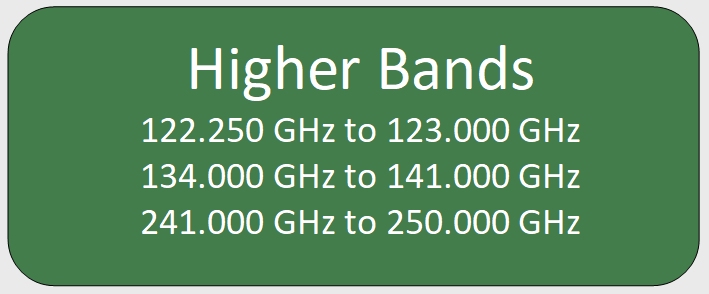
- Additional Bands accessible by Advanced operators only are shown in Green
Click on a band segment to open full details of the conventions for that band.
Scroll to the end to see the link to the free downloadable Australian Band Plan.
Why Upgrade to a higher level license from Foundation?
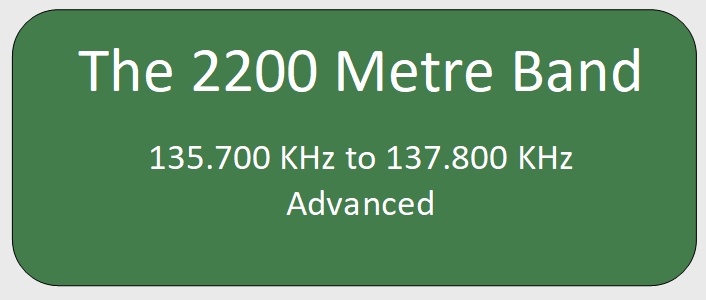
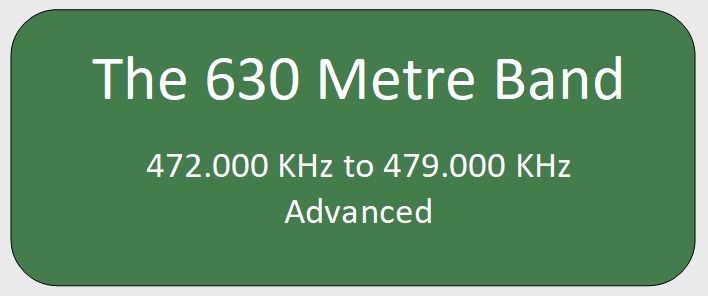
In addition to the increase in permitted power levels, the Standard and Advanced qualifications opens up access many additional areas of spectrum. Scrolling down this page shows just how many bands become accessible. Click or tap these boxes for more information.
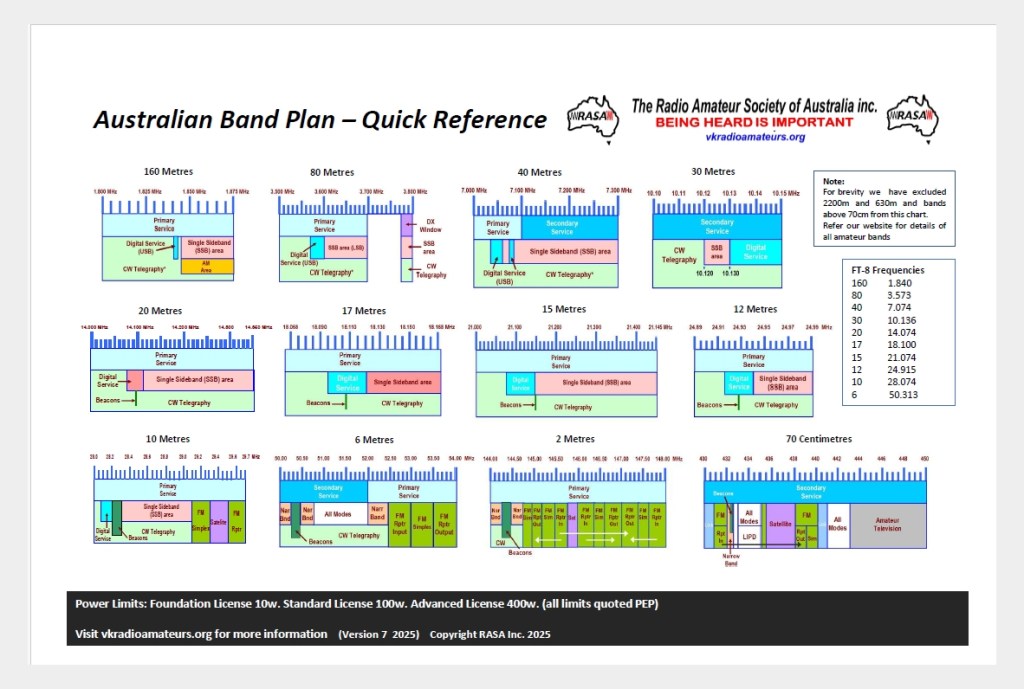
Quick Reference Guide to most common Amateur Bands
Follow this link HERE to access a free downloadable wall chart at the RASA site with basic details of the Australian Band Plan.
 This Is Amateur Radio